

Are you tired of living with chronic back pain that interferes with your daily activities? You’re not alone. Millions of people worldwide suffer from back pain, seeking effective and safe methods to manage their discomfort.
Finding natural relief is a priority for those looking to avoid the potential side effects of medication or surgery. Fortunately, there are several simple ways to alleviate back pain without resorting to invasive procedures.
By incorporating some easy lifestyle adjustments and natural remedies, you can start experiencing back pain relief and improve your overall well-being.
Key Takeaways
Table of Contents
- Discover simple and effective natural methods for back pain relief.
- Learn how to manage back pain without medication or surgery.
- Explore lifestyle adjustments that can help alleviate back pain.
- Find out how to improve your overall well-being by reducing back pain.
- Understand the importance of natural back pain relief methods.
Understanding the Causes of Back Pain
Understanding the root causes of back pain is crucial for finding effective relief and preventing future discomfort. Back pain can arise from a multitude of factors, making it essential to identify the specific triggers and patterns of pain.
Common Triggers for Back Discomfort
Several common triggers can lead to back discomfort, including:
- Poor Posture: Maintaining an improper posture can strain back muscles and lead to pain.
- Lifting Heavy Objects: Lifting heavy items without proper technique can cause significant strain on the back.
- Sedentary Lifestyle: A lack of physical activity can weaken back muscles, leading to pain.
- Medical Conditions: Certain health conditions, such as arthritis or spinal stenosis, can cause back pain.
Identifying these triggers is the first step towards mitigating their impact.
How to Identify Your Pain Patterns
Recognizing the patterns of your back pain is vital for determining the most effective treatment. Consider the following:
- Location of Pain: Note whether the pain is localized to a specific area or radiates to other parts of your body.
- Intensity and Duration: Assess the severity and how long you’ve been experiencing the pain.
- Triggers and Relievers: Identify activities or positions that exacerbate or alleviate the pain.
By understanding these patterns, you can better navigate the options for natural remedies for back pain and home remedies for back pain that suit your needs.
How to Relieve Back Pain Naturally at Home
Natural back pain relief is within reach when you know what methods to try at home. Back pain can significantly impact your daily life, but there are several effective and natural ways to alleviate it without leaving your home. By incorporating some simple techniques into your daily routine, you can start feeling relief.

Apply Heat and Cold Therapy Effectively
One of the simplest and most effective methods for relieving back pain is through the application of heat and cold therapy. Heat therapy helps relax muscles and increase blood flow, which can be particularly beneficial for chronic back pain. On the other hand, cold therapy reduces inflammation and numbs the pain, making it ideal for acute injuries.
- Apply a warm bath or a heating pad to the affected area for 15-20 minutes.
- Use an ice pack wrapped in a cloth to avoid direct contact with the skin, applying it for 10-15 minutes.
- Alternate between heat and cold therapy to find what works best for your condition.
Use Natural Anti-Inflammatory Remedies
Several natural remedies have anti-inflammatory properties that can help alleviate back pain. Turmeric, with its active compound curcumin, is known for its potent anti-inflammatory effects. Similarly, ginger has been used for centuries to reduce pain and inflammation.
- Consume turmeric or ginger tea daily.
- Add turmeric to your meals or take it as a supplement after consulting with a healthcare provider.
- Apply ginger oil topically to the affected area after diluting it with a carrier oil.
Practice Self-Massage Techniques
Self-massage is another effective technique for relieving back pain. It helps in relaxing tense muscles and improving blood circulation. You can use essential oils or massage oils to enhance the experience.
- Use a foam roller to massage your back, focusing on areas of tension.
- Apply gentle pressure with your fingertips in a circular motion.
- Consider using a tennis ball against a wall to target specific areas.
Try Essential Oils and Topical Applications
Essential oils such as lavender, eucalyptus, and peppermint can provide relief when used appropriately. They can be applied topically after being diluted with a carrier oil or inhaled through steam inhalation.
| Essential Oil | Benefit | Application Method |
|---|---|---|
| Lavender | Relaxation and pain relief | Dilute with carrier oil and apply topically |
| Eucalyptus | Anti-inflammatory and decongestant | Inhale through steam inhalation or dilute and apply topically |
| Peppermint | Cooling effect and pain relief | Dilute with carrier oil and apply topically |
Movement and Exercise Solutions for Back Pain
Regular physical activity is key to reducing back pain and improving overall well-being. Exercise helps strengthen the muscles that support the back, improves flexibility, and promotes better posture, all of which are crucial in alleviating back pain.
Perform Gentle Stretches for Immediate Relief
Gentle stretching can provide immediate relief from back pain by loosening tight muscles and improving flexibility. It’s essential to start with simple stretches and gradually move to more complex ones.
Morning Stretching Routine
Starting your day with a gentle stretching routine can help set a positive tone and reduce back pain throughout the day. Focus on stretches that target the hamstrings, hip flexors, and lower back.
- Knee to Chest Stretch: Lie on your back, bring one knee towards your chest, and hold for 30 seconds.
- Cat-Cow Stretch: On your hands and knees, arch your back (like a cat), then round your back (like a cow), repeating for 30 seconds.
Evening Relaxation Stretches
In the evening, focus on stretches that promote relaxation and flexibility. Gentle yoga or Pilates can be particularly beneficial.
“Yoga is not just a practice; it’s a journey of self-discovery and healing.”
Build Strength with Core-Focused Exercises
Strengthening your core is vital for back pain relief as it provides better support for your spine. Incorporate exercises that target your abdominal and back muscles.
| Exercise | Repetitions | Benefits |
|---|---|---|
| Plank | 3 sets of 30-second hold | Strengthens core, improves posture |
| Bridges | 3 sets of 15 reps | Strengthens lower back and glutes |
Practice These Yoga Poses for Back Pain Relief
Yoga combines stretching, strengthening, and relaxation techniques that can be highly effective in managing back pain.
Child’s Pose and Cobra Pose are particularly beneficial as they gently stretch the back and promote flexibility.
Incorporate Walking and Low-Impact Activities
Walking and other low-impact activities like swimming or cycling are excellent for back pain relief as they promote cardiovascular health without putting excessive strain on the back.
Regular walking can help improve posture, reduce muscle tension, and enhance overall physical function.
Lifestyle Adjustments to Prevent Recurring Back Pain
To avoid recurring back pain, it’s essential to make some straightforward lifestyle adjustments. By incorporating a few simple changes into your daily routine, you can significantly reduce the risk of back pain.
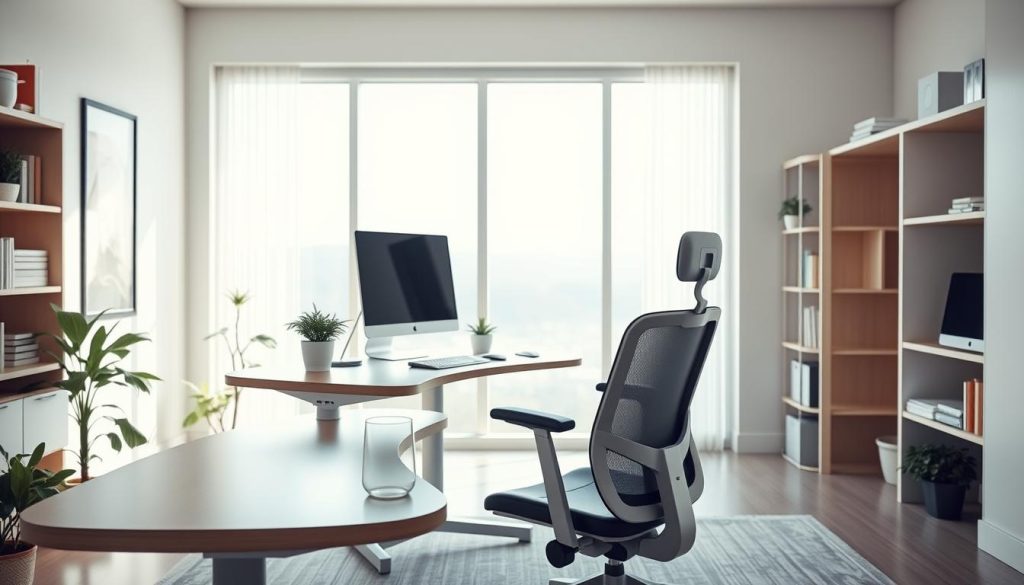
Optimize Your Ergonomics at Home and Work
Ensuring that your workspace and home environment are ergonomically optimized is crucial. This includes:
- Adjusting your chair height so that your feet are flat on the floor or on a footrest, with knees at or below hip level.
- Positioning your monitor directly in front of you, at a distance of about 20-25 inches, and at a height that allows you to gaze slightly downward.
- Using a keyboard tray to keep your keyboard and mouse close to your body, with wrists straight.
Improve Your Sleep Position and Mattress
A good night’s sleep is vital for back health. Consider the following:
- Sleeping on a medium-firm mattress that supports your body’s natural alignment.
- Adopting a sleeping position that maintains the natural curve of your spine, such as sleeping on your side with a pillow between your knees.
Tip: Consider replacing your mattress every 7-10 years or if you wake up with back pain.
Implement Daily Stress Reduction Techniques
Stress can exacerbate back pain. Engage in stress-reducing activities like:
- Meditation or deep breathing exercises.
- Yoga or tai chi to improve flexibility and balance.
Regular relaxation can help alleviate tension that contributes to back pain.
Adjust Your Diet and Hydration Habits
A healthy diet and adequate hydration are essential for maintaining a healthy back. Focus on:
- Eating anti-inflammatory foods like omega-3 rich fish, nuts, and leafy greens.
- Staying hydrated by drinking plenty of water throughout the day.
A well-nourished body is better equipped to handle the demands of daily life without succumbing to back pain.
Conclusion
Back pain can be debilitating, but there are numerous ways to alleviate it naturally from the comfort of your own home. By understanding the causes of back pain and implementing simple techniques, you can find relief and improve your overall well-being.
To relieve back pain naturally at home, try applying heat and cold therapy, using natural anti-inflammatory remedies, and practicing self-massage techniques. Incorporating gentle stretches, core-focused exercises, and yoga poses into your daily routine can also help. Making lifestyle adjustments such as optimizing your ergonomics, improving your sleep position, and reducing stress can prevent recurring back pain.
By taking control of your back health and trying these natural methods, you can say goodbye to back pain and hello to a more active, healthier you. Start your journey today and discover how to relieve back pain naturally at home.
FAQ
What are some effective natural remedies for back pain relief?
Some effective natural remedies for back pain relief include applying heat and cold therapy, using natural anti-inflammatory remedies, practicing self-massage techniques, and trying essential oils and topical applications.
How can I relieve back pain naturally at home?
You can relieve back pain naturally at home by applying heat or cold packs, using a foam roller or self-massage techniques, practicing gentle stretches, and incorporating low-impact activities like walking into your routine.
What are some holistic back pain relief methods?
Holistic back pain relief methods include yoga, meditation, and stress reduction techniques, which can help alleviate back pain by addressing the underlying causes and promoting overall well-being.
Can exercise help alleviate back pain?
Yes, exercise can help alleviate back pain by strengthening the muscles that support the back, improving flexibility, and reducing stiffness. Gentle stretches, core-focused exercises, and low-impact activities like walking can be particularly beneficial.
How can I prevent recurring back pain?
To prevent recurring back pain, you can optimize your ergonomics at home and work, improve your sleep position and mattress, implement daily stress reduction techniques, and adjust your diet and hydration habits to support back health.
Are there any self-care tips for managing back pain?
Yes, self-care tips for managing back pain include taking regular breaks to stretch and move, practicing relaxation techniques like deep breathing or meditation, and engaging in activities that bring you joy and help reduce stress.
Can dietary changes help alleviate back pain?
Yes, dietary changes can help alleviate back pain by reducing inflammation and promoting overall health. Increasing your intake of omega-3 fatty acids, antioxidants, and fiber-rich foods, and staying hydrated can be particularly beneficial.