
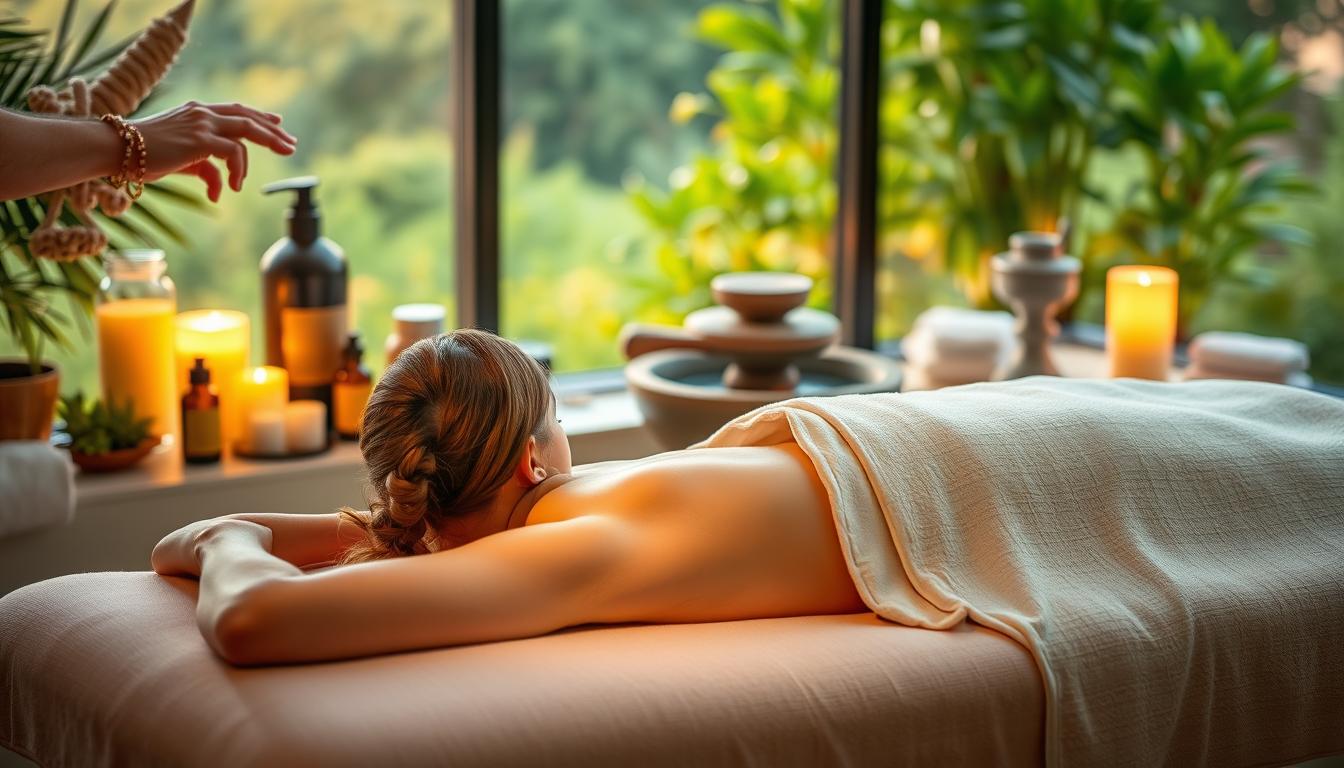
Are you wondering if there’s a way to accelerate your body’s recovery after a strenuous workout or a long, stressful day? Can a simple treatment really make a difference? The answer lies in the ancient practice of massage, which has been touted for its numerous healing properties.
Massage therapy has been widely recognized for its ability to reduce muscle soreness and improve flexibility. By incorporating massage into your wellness routine, you can potentially enhance your overall well-being.
Key Takeaways
Table of Contents
- Massage can aid in reducing muscle soreness after exercise.
- Regular massage therapy can improve flexibility.
- Massage has healing properties that can enhance overall well-being.
- Incorporating massage into your routine can support recovery.
- Massage therapy is a valuable addition to any wellness regimen.
The Science Behind Massage Therapy and Recovery
Understanding the science behind massage therapy reveals its significant impact on the body’s ability to recover. Massage therapy is a multifaceted approach that not only aids in physical recovery but also has profound effects on the body’s physiological processes.
How Massage Affects Muscle Tissue
Massage therapy directly influences muscle tissue by enhancing flexibility, reducing muscle spasms, and promoting the removal of waste products. This is achieved through various techniques that manipulate the soft tissues.
Breaking Down Lactic Acid Build-Up
One of the key ways massage aids in recovery is by helping to break down lactic acid build-up in the muscles. Lactic acid accumulation is often associated with fatigue and soreness after exercise. Massage techniques such as kneading and rolling help to enhance blood flow, facilitating the removal of lactic acid.
Reducing Inflammation Markers
Massage has also been shown to reduce inflammation markers in the body. By applying specific massage techniques, it’s possible to decrease the production of pro-inflammatory cytokines, which are molecules that promote inflammation. This reduction in inflammation can lead to faster recovery times and reduced muscle soreness.
| Massage Technique | Effect on Muscle Tissue | Benefit for Recovery |
|---|---|---|
| Kneading | Enhances blood flow, breaks down adhesions | Reduces muscle soreness, improves flexibility |
| Rolling | Relaxes muscle spasms, promotes waste removal | Aids in recovery, reduces muscle tension |
| Trigger Point Therapy | Targets specific areas of tension | Relieves pain, improves range of motion |
Physiological Responses to Therapeutic Touch
The physiological responses to therapeutic touch are multifaceted, involving both the nervous system and hormonal changes. These responses are crucial for understanding how massage therapy aids in recovery.
Nervous System Regulation
Massage therapy has a profound effect on the nervous system, helping to regulate its activity. By promoting parasympathetic activity, massage can help reduce stress and promote relaxation. This regulation of the nervous system is key to recovery, as it helps to mitigate the body’s stress response.
Hormone Release During Massage
During massage, various hormones are released that contribute to the recovery process. For example, the release of endorphins, the body’s natural painkillers, can help reduce pain and promote a sense of well-being. Additionally, the reduction in cortisol levels, a hormone associated with stress, can further aid in recovery.
Benefits of Massage Therapy for Body Recovery
The benefits of massage therapy for body recovery are multifaceted, impacting both physical and mental well-being. By incorporating massage into your recovery routine, you can experience a significant enhancement in your body’s ability to heal and rejuvenate.
Physical Benefits for Muscle Repair
Massage therapy offers several physical benefits that are crucial for muscle repair. Two key advantages include:
- Accelerated Healing of Micro-Tears: Massage helps in accelerating the healing process of micro-tears in the muscle tissue, which are common after intense physical activity.
- Reduced Recovery Time Between Workouts: By enhancing blood flow and reducing muscle soreness, massage therapy can significantly reduce the recovery time between workouts, allowing for more frequent training.

Mental and Stress-Reduction Benefits
Massage therapy is not only beneficial for physical recovery but also offers mental and stress-reduction benefits. Key advantages include:
- Cortisol Reduction Effects: Regular massage therapy has been shown to reduce cortisol levels, thereby decreasing stress and anxiety.
- Improved Sleep Quality: By promoting relaxation and reducing muscle tension, massage can lead to improved sleep quality, which is essential for overall recovery and well-being.
Improved Circulation and Healing
Another significant benefit of massage therapy is its impact on circulation and healing. This includes:
- Enhanced Oxygen Delivery to Tissues: Massage improves blood circulation, which enhances the delivery of oxygen to tissues, promoting faster healing.
- Toxin Removal Through Lymphatic Drainage: Massage therapy aids in lymphatic drainage, helping to remove toxins from the body and further supporting the recovery process.
By understanding and leveraging these benefits, individuals can make informed decisions about incorporating massage therapy into their recovery routines, potentially leading to improved physical and mental health outcomes.
Different Types of Massage for Recovery
Massage therapy encompasses a range of techniques, each with its unique benefits for recovery. Understanding these different modalities can help individuals choose the most appropriate massage type for their specific recovery needs.
Deep Tissue Massage
Deep tissue massage is a therapeutic technique that targets the deeper layers of muscle and connective tissue. It’s particularly beneficial for areas of tension and scar tissue.
When to Choose Deep Tissue for Recovery
Deep tissue massage is ideal for individuals dealing with chronic pain, limited mobility, or recovering from injuries that affect the deeper muscle layers.
What to Expect During Treatment
During a deep tissue massage session, the therapist will apply slow, deliberate strokes and deep pressure to target the affected areas. It’s not uncommon to feel some discomfort, but it should not be painful.
Sports Massage
Sports massage is tailored to athletes and individuals who engage in strenuous physical activity. It aims to prevent injuries, reduce muscle soreness, and promote recovery.
Pre-Event vs. Post-Event Techniques
Pre-event sports massage techniques focus on preparing the muscles for activity, enhancing flexibility and reducing the risk of injury. Post-event techniques, on the other hand, are designed to aid in recovery, reducing muscle soreness and improving circulation.
Sport-Specific Recovery Benefits
Different sports require different recovery strategies. For instance, runners may benefit from techniques targeting the lower extremities, while swimmers may require focus on the shoulders and upper back.
Swedish Massage
Swedish massage is one of the most common types of massage, involving long, flowing strokes, kneading, and tapping. It’s beneficial for overall relaxation and recovery.
Relaxation and General Recovery
This type of massage promotes relaxation, reduces stress, and aids in the recovery of muscle tension. It’s an excellent choice for individuals seeking general wellness and recovery.
Ideal Pressure and Techniques
The pressure applied during Swedish massage can vary, but it’s typically gentler than deep tissue massage. Techniques include effleurage (long strokes), petrissage (kneading), and tapotement (tapping).
Trigger Point Therapy
Trigger point therapy involves applying pressure to specific areas of tension to relieve pain and stiffness.
Identifying Problem Areas
Therapists identify trigger points through palpation, looking for areas of muscle that are knotted and painful.
Release Techniques for Self-Care
Individuals can learn self-care techniques to release trigger points, including using tools like foam rollers or tennis balls to apply pressure.
| Massage Type | Primary Benefits | Ideal For |
|---|---|---|
| Deep Tissue | Relieves chronic pain, improves mobility | Chronic pain, scar tissue |
| Sports | Prevents injuries, aids recovery | Athletes, strenuous activity |
| Swedish | Promotes relaxation, reduces stress | General wellness, relaxation |
| Trigger Point | Relieves pain, stiffness | Specific areas of tension |
How to Incorporate Massage into Your Recovery Routine
To maximize the benefits of massage for recovery, it’s essential to understand how to make it a consistent part of your routine. Whether you’re an active athlete or seeking general wellness, incorporating massage can significantly enhance your body’s healing process and overall well-being.
Determining the Right Frequency
The frequency of massage sessions depends on your specific needs and goals. For some, a monthly massage might suffice, while others may require more frequent sessions.
For Active Athletes
Active athletes may benefit from more frequent massage sessions, potentially once or twice a week, especially during intense training periods. This can help in reducing muscle soreness and improving flexibility.
For General Wellness
For those seeking general wellness, a massage every 4-6 weeks can be beneficial. This frequency can help maintain muscle health and reduce stress levels.
Finding the Right Massage Therapist
Finding a qualified massage therapist is crucial for a beneficial experience. Here are some tips to help you find the right professional.
Credentials to Look For
- Ensure the therapist is licensed and certified by a reputable organization.
- Check for specialized training in areas such as sports massage or deep tissue massage.
Questions to Ask Before Booking
- What experience do you have with clients with needs similar to mine?
- What techniques do you use, and can you tailor the massage to my specific needs?
According to a study published in the Journal of Clinical Rheumatology, “massage therapy can be an effective adjunct to traditional treatments for chronic pain management.”
“Massage therapy is increasingly being recognized as a valuable component of comprehensive care for individuals with chronic pain.”
Self-Massage Techniques for At-Home Recovery
In addition to professional massage therapy, self-massage techniques can be highly beneficial for at-home recovery.
Using Foam Rollers Effectively
Foam rollers are a great tool for self-myofascial release. To use a foam roller effectively, start by identifying areas of tension and slowly rolling over them, applying moderate pressure.

For areas that are difficult to reach, such as the upper back, using a massage ball against a wall can be very effective. This technique allows you to apply significant pressure to specific areas.
| Tool | Best For | Tips |
|---|---|---|
| Foam Roller | Large muscle groups like thighs and back | Start slow and increase pressure as needed |
| Massage Ball | Hard-to-reach areas and specific trigger points | Use against a wall for better control |
By incorporating these techniques and tools into your routine, you can enhance your recovery and overall well-being. Remember, consistency is key, and finding the right balance that works for you is essential.
Timing Massage for Optimal Recovery Results
To maximize the healing benefits of massage, it’s crucial to consider when to incorporate it into your routine. The timing of massage therapy can significantly impact its effectiveness in aiding recovery.
Post-Exercise Recovery Windows
After exercise, there’s a critical window for recovery when your body is most receptive to the benefits of massage. Understanding this window can help you plan your massage therapy sessions for optimal results.
Immediate vs. Delayed Massage Benefits
Research suggests that both immediate and delayed massage have their benefits. Immediate massage can help reduce muscle soreness and improve circulation right after exercise, while delayed massage, typically after 24-48 hours, can aid in the repair of muscle tissue.
Avoiding Common Timing Mistakes
One common mistake is massaging too soon after intense exercise, which can sometimes exacerbate muscle damage. It’s essential to find the right balance and listen to your body’s signals.
Integrating Massage with Training Cycles
Integrating massage into your training cycles can enhance its therapeutic massage benefits. By synchronizing massage sessions with your training phases, you can optimize recovery and performance.
During High-Intensity Training Periods
During periods of high-intensity training, more frequent massage sessions can help manage muscle stress and prevent injury. This is a critical time to focus on massage for pain relief and recovery.
During Tapering or Rest Phases
Even during tapering or rest phases, massage can play a crucial role in maintaining flexibility and aiding in the removal of metabolic waste products that can cause muscle soreness.
Listening to Your Body’s Signals
Ultimately, the key to timing massage correctly is listening to your body’s signals. Recognizing when you need recovery work and adjusting the intensity of your massage accordingly can make a significant difference in its effectiveness.
Recognizing When You Need Recovery Work
Paying attention to signs of fatigue, decreased performance, or increased muscle tension can help you determine when to schedule a massage. This proactive approach can prevent overtraining and support continuous progress in your training.
Adjusting Massage Intensity Based on Fatigue
The intensity of your massage should be adjusted based on your level of fatigue. Gentle massage techniques may be more appropriate when you’re highly fatigued, while deeper tissue massage can be used when you’re less fatigued but need to address specific areas of tension.
| Training Phase | Recommended Massage Frequency | Focus |
|---|---|---|
| High-Intensity Training | 2-3 times a week | Deep tissue, pain relief |
| Tapering/Rest | 1 time a week | Relaxation, gentle techniques |
| Pre-Competition | As needed | Specific areas of tension |
Conclusion: Making Massage a Key Component of Your Recovery Strategy
Incorporating massage therapy into your recovery routine can have a significant impact on your overall well-being. The benefits of massage therapy for body recovery are multifaceted, ranging from physical benefits like muscle repair to mental and stress-reduction benefits.
By understanding the different types of massage and how to integrate them into your routine, you can maximize the massage therapy benefits. Whether it’s deep tissue massage, sports massage, or Swedish massage, each type offers unique advantages for recovery.
Timing is also crucial when it comes to massage therapy. Integrating massage with your training cycles and listening to your body’s signals can help you achieve optimal recovery results. By making massage a key component of your recovery strategy, you can enhance your body’s natural repair processes and improve your overall performance.
As you move forward, consider how you can incorporate massage therapy into your wellness routine. With its numerous benefits and versatility, massage can be a valuable tool in supporting your recovery and overall well-being.
FAQ
What are the benefits of massage therapy for body recovery?
Massage therapy offers numerous benefits for body recovery, including reducing muscle soreness, improving flexibility, and enhancing overall well-being. It can also accelerate the healing of micro-tears, reduce recovery time between workouts, and improve circulation.
How often should I get a massage for recovery?
The frequency of massage for recovery depends on individual needs. For active athletes, more frequent massage sessions may be beneficial, while for general wellness, less frequent sessions may suffice. It’s essential to listen to your body’s signals and adjust your massage frequency accordingly.
What type of massage is best for muscle recovery?
Different types of massage can be beneficial for muscle recovery, including deep tissue massage, sports massage, and trigger point therapy. Deep tissue massage is particularly effective for targeting specific areas of tension, while sports massage can help with pre- and post-event recovery.
Can massage therapy help with pain relief?
Yes, massage therapy can be an effective tool for pain relief. Techniques such as deep tissue massage and trigger point therapy can help alleviate pain by releasing tension in the muscles and improving circulation.
How can I incorporate self-massage techniques into my recovery routine?
Self-massage techniques can be a valuable addition to your recovery routine. Using tools like foam rollers and massage balls can help release tension in hard-to-reach areas. You can also use your own body weight to apply pressure and release tension.
What are the benefits of Swedish massage for recovery?
Swedish massage can be beneficial for recovery by promoting relaxation, improving circulation, and reducing muscle tension. It’s an excellent option for those looking for a more gentle and relaxing massage experience.
How can I find a qualified massage therapist?
To find a qualified massage therapist, look for credentials such as licensure and certification from reputable organizations. You can also ask questions before booking, such as their experience working with clients with similar needs and their approach to massage therapy.
Can massage therapy help with stress reduction and improved sleep quality?
Yes, massage therapy can be beneficial for stress reduction and improved sleep quality. Techniques such as Swedish massage and trigger point therapy can help reduce cortisol levels and promote relaxation, leading to improved sleep quality.